Retail strategy
A good location is not found on a search engine. It is negotiated with people you know, centre by centre. It is often what decides whether an operation succeeds.
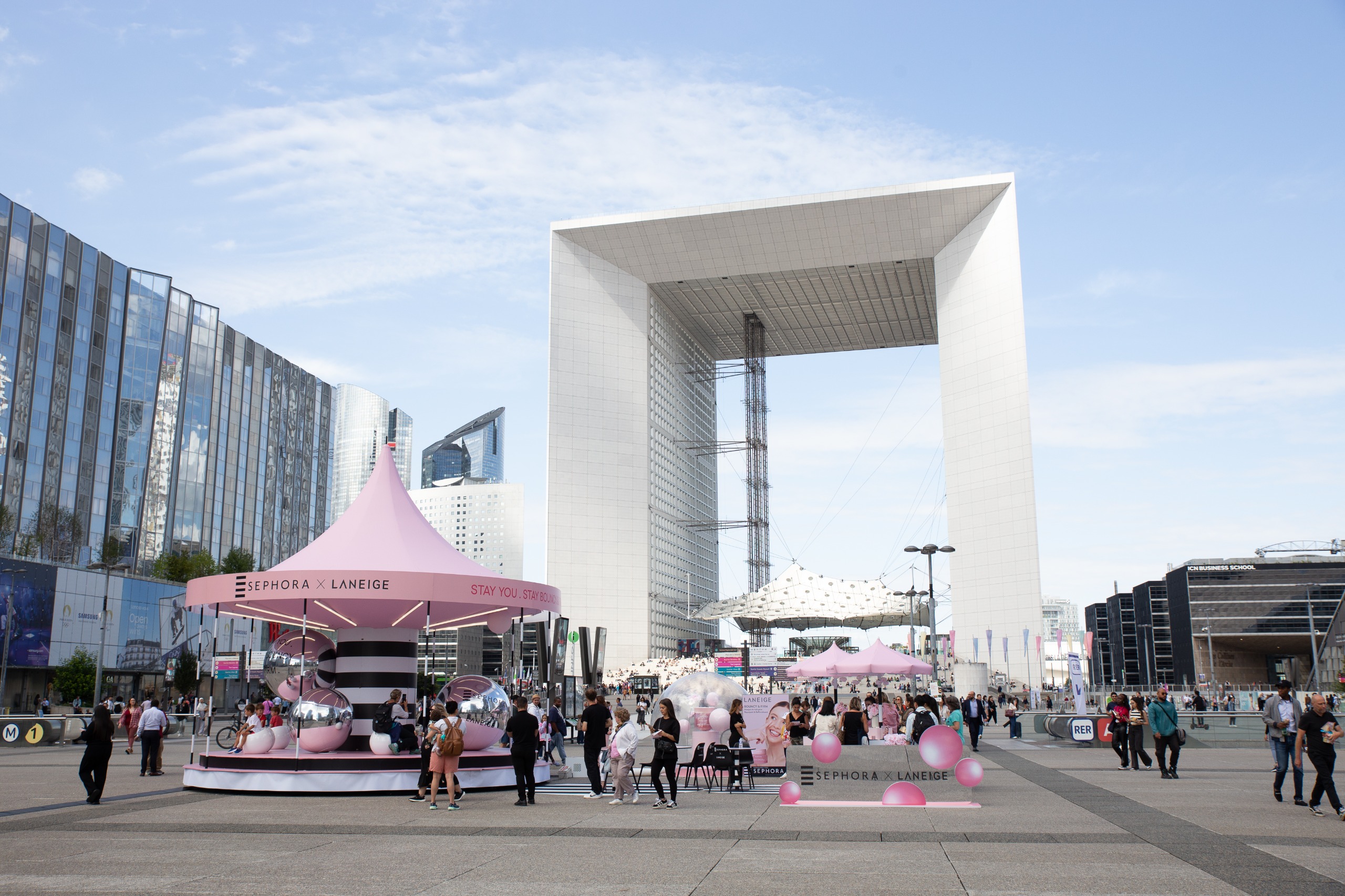
A good location does not fall from the sky
Rental platforms list available shop units. Useful for a high street shop, no help in a shopping centre or department store: there, locations are not advertised. They are allocated, case by case, by a dedicated department at the retail landlord.
That department, specialty leasing, receives dozens of requests a week. It answers the ones that come from a contact it knows, with an application that stands up.
How we work
The work comes in three stages, and it is invoiced on its own if that is all you need.
- The brief: target, format, usable floor area, period, occupancy budget, technical constraints. This is the document that makes the request credible on the other side.
- The consultation: we approach the matching centres and stores, and we collect the real availability with its terms.
- The summary: a comparison of locations, footfall, periods, business model, occupancy cost. You decide on options that exist.
Who we work with
Altaréa, Apsys, Ceetrus, Hammerson, Klépierre, Mercialys, Unibail-Rodamco-Westfield on the retail landlord side; Citadium and Galeries Lafayette on the department store side. We have installed with them: theBirkenstock corner at Galeries Lafayette Haussmann, the 900.care kiosk at Forum des Halles, Ann Tuil at Beaugrenelle, a kiosk at the Apsys Steel centre in Saint-Étienne.
From the first operation to the network
Most brands call us for one location. The ones that come back ask us to find ten. At that stage, sourcing changes in nature: it is no longer about finding a venue but about planning a sequence: which cities, in which order, in which periods, with which furniture reused from one stop to the next.
That is also where the location stops being the only factor. A very busy venue with no reason to walk in produces footfall, not customers. We weigh the two together: the footfall you buy, and what you do with it once on site.
The logical next step is the shopping centre pop-up or the department store corner, depending on the format chosen. And if you are starting from further back, we take the project from the beginning.
Frequently asked questions
What we are asked most often about this service.
How do you find a location for a pop-up store?
There is no search engine for it. Good locations are negotiated with the specialty leasing departments of retail landlords and with department store management, contacts you do not reach by writing to the front desk. It is relationship work, kept up centre by centre.
What does sourcing actually involve?
We start from a brief: target, format, floor area, period, occupancy budget. We consult the matching centres and stores, we collect the available locations and their terms, then we give you a comparative summary. You decide on real options, not on assumptions.
Can we use you for sourcing only?
Yes. It is a standalone service, invoiced as such, even if you have the design and manufacturing done elsewhere. Many brands come to us for this first, then hand us the rest once the location is secured.
Do you work with the major retail landlords?
Yes: Altaréa, Apsys, Ceetrus, Hammerson, Klépierre, Mercialys, Unibail-Rodamco-Westfield, as well as department stores such as Citadium and Galeries Lafayette. Those relationships are what get an answer in a few days rather than silence.
How long does it take to find a location?
Allow 3 to 6 weeks between the brief and a secured location, depending on the period you are aiming for. Peak periods (December, the sales, back to school in September) are booked much earlier and cost more to negotiate.
And to go from one pop-up to a network?
It is the natural extension: once a format works, you duplicate it centre after centre. Sourcing then becomes planning work, which cities, which periods, in which order, rather than a one-off search.